Transforming Tourism with Technology: The Impact of Virtual Reality, Chatbots, and Artificial Intelligence
Discover how virtual reality and artificial intelligence are transforming tourism. Learn about chatbots, big data, and smart rooms, providing a personalized experience for guests. Read on for insights and trends in the industry
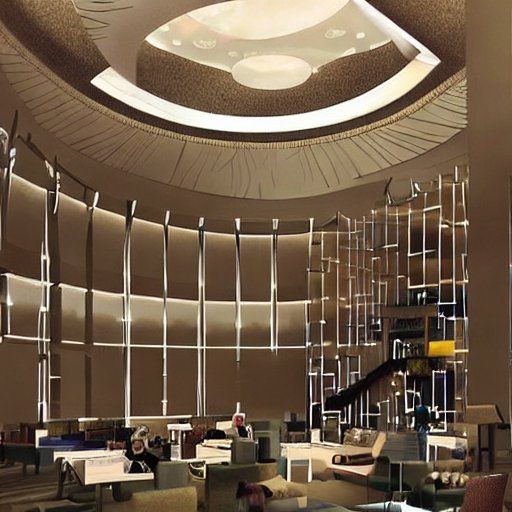
I want to emphasize the potential of virtual reality, which can provide us with information about a destination even before we visit. This digital landscape can tell us the story of a place and provide everything we need as tourists to choose a travel destination. By exploring the destination, its people, and its culture in advance, tourists can make informed decisions about their travels.
For hotels and restaurants, communicating with guests has become more challenging as it becomes increasingly individualized and personalized. Professional literature refers to this trend as becoming more "uberized," as guests seek attention, constant contact, and additional information. Chatbots can provide this level of engagement and meet guests' expectations.
Therefore, we can expect chatbots to become more prevalent in tourism. This is not surprising, as people have already become familiar with their use in other industries, such as banking and online shopping.
One aspect of artificial intelligence that is difficult to comprehend is its capacity for continuous learning, particularly given the vast and growing databases available. The term "big data," currently used to describe the data that users generate, will likely become insufficient to describe its sheer volume.
The challenge facing the industry lies in using this information to adjust menus, prices, labor needs, services, and so on. Weather forecasting provides an example of how AI can improve the travel experience by learning from the vast amounts of data collected by weather stations and satellites.
As hotels increasingly rely on automation and the collection of pre-arrival data, the traditional reception desk experience is fading. Smart rooms are becoming more prevalent, and voice control is likely to become more common, providing guests with an even greater degree of individualization and personalization.
These trends are not transient, and tourism is undergoing significant changes. The world is evolving, and the industry is in the middle of a positive transformation.
Domagoj Bebić is a associate professor of Strategic Communication and New Media
Linkedin: Domagoj Bebić